Services
PROJECT MANAGEMENT COMMUNICATION PLAN
What Is a Project Management Communication Plan in Construction?
A project management communication plan is a written document that defines who gets what information, in what format, and on what schedule throughout a construction project. It’s one of the core tools in the PMBOK (Project Management Body of Knowledge) framework and one of the most consistently underused documents in real-world construction projects.
Without a communication management plan in project management, information flows randomly. Updates happen when someone remembers to give them. Investors hear about problems after they’ve already become expensive. Lenders don’t get progress reports on time, which delays draw disbursements, which creates cash flow gaps that slow the project.
With a structured communication plan for construction projects, everyone knows exactly when they’ll hear from the team, what the update will cover, and what decisions or approvals they’ll need to make. The project runs smoother. Relationships stay strong. Money moves on schedule.
Who Needs to Be in Your Construction Communication Plan?
Every construction project has a set of stakeholders who need regular, accurate information. Your project management communication plan should identify every one of them.
The owner or developer: Needs to understand budget status, schedule progress, and any decisions that require their approval or input.
Equity investors and partners: Need periodic building construction progress reports that show milestone completion, cost-to-complete estimates, schedule variance, and any risks that could affect their return.
Construction lenders: Require formal draw request packages, inspection-ready milestone confirmations, and documentation that the project is proceeding according to the approved budget and plans.
The general contractor: If you’re the owner or developer, you need regular reporting from the contractor. If you’re the GC, you’re the one producing the reports.
Subcontractors: Need to know about schedule changes, access conditions, inspection timing, and change orders that affect their scope.
Architects and engineers: Need to be included in design question resolution (RFIs), submittal approvals, and any scope change discussions.
Local authorities (LADBS): Not a communication stakeholder in the traditional sense, but inspection scheduling and permit status tracking are part of the broader communication management plan in project management.
Why Los Angeles Property Owners and Investors Choose JSN Construction
When property owners, real estate investors, and developers in Los Angeles need a team that combines professional construction investor relations management with expert project execution, they choose JSN Construction.
We build the communication infrastructure from day one. Every JSN Construction project starts with a written project management communication plan that defines reporting cadence, report formats, stakeholder assignments, and communication channels before the first shovel goes in the ground.
We produce professional progress reports. Our building construction progress reports are formatted to meet both investor and lender requirements. Investors get clear schedule and budget status. Lenders get complete draw packages that are ready for inspection scheduling immediately.
We coordinate the draw cycle. We manage draw request preparation, lender inspection scheduling, and draw disbursement tracking so your construction funding cycle stays aligned with your construction timeline. Cash flow gaps from poorly timed draw requests add real cost to any project.
We support owner builder projects. For property owners pursuing owner builder construction loans in Los Angeles, JSN Construction provides project management support that satisfies lender requirements including professional progress reporting, budget management, and LADBS inspection coordination.
We’re fully licensed. Our California Contractors State License Board (CSLB) Class B general contractor license is current and verifiable at cslb.ca.gov. Lenders require licensed, insured builders on every project and we meet that requirement on every job.
We serve all of Los Angeles and surrounding communities. Our communication plan for construction projects and investor relations management experience covers residential, commercial, and multi-family projects across Pasadena, Burbank, Glendale, Studio City, Culver City, Santa Monica, Sherman Oaks, West Hollywood, and throughout LA County.
How to Build a Communication Plan for Construction Projects
Here’s how JSN Construction structures a communication plan for construction projects on every project we manage in Los Angeles.
Step 1 — Define the Communication Cadence
First, set the rhythm. How often does each stakeholder group receive updates? The cadence should match their involvement level and decision-making timeline.
A typical communication cadence for a Los Angeles construction project:
- Daily: Site superintendent’s written daily report (work completed, crew counts, weather, issues)
- Weekly: Subcontractor coordination meeting and updated lookahead schedule
- Bi-weekly: Owner or developer status update (schedule, budget, open issues)
- Monthly: Formal progress report for construction project sent to investors and lenders
- At each milestone: Draw request package prepared and submitted to lender
- As needed: RFI log review, submittal log update, change order notification
Step 2 — Choose Your Communication Channels
The communication management plan in project management should define which channel is used for which type of communication. Mixing channels without structure creates confusion and lost information.
- Formal reports: PDF documents emailed directly to investors and lenders on the defined schedule
- Project management software: Procore, Buildertrend, or similar for internal team communication, document management, and RFI and submittal tracking
- Weekly meetings: Video call or in-person, recorded or minuted
- Urgent issues: Direct phone call to the relevant decision-maker, followed by written confirmation
- Change orders: Written only, never verbal. Every change must be documented before work proceeds.
Step 3 — Assign Communication Responsibilities
Every piece of outgoing communication needs an owner. Who prepares the monthly investor report? Who submits the draw request to the lender? Who sends the weekly schedule update to subcontractors? Unassigned responsibilities don’t get done.
At JSN Construction, the project manager owns all formal reporting. The site superintendent owns daily logs. The principal reviews all investor-facing communications before they go out. This clear assignment prevents gaps.
Step 4 — Define What Each Report Covers
Every report in your communication plan for construction projects should have a standard template. Standard formats allow stakeholders to quickly find the information they need and make comparisons across reporting periods.
For the monthly investor or lender report, the standard sections should cover:
- Period covered
- Work completed since last report
- Current schedule status vs. baseline
- Current budget status vs. approved budget
- Change orders issued and pending
- Outstanding RFIs and submittals
- Risk register updates
- Work planned for the next reporting period
- Photos of completed work



Progress Report for Construction Project: What It Should Actually Include
A progress report for a construction project is the primary communication tool between the project team and its investors and lenders. A weak report creates doubt. A strong report builds confidence and accelerates draw disbursements.
Here’s what a professional building construction progress report from JSN Construction includes.
Executive Summary
The first section should be readable in 60 seconds. It answers three questions: Is the project on schedule? Is it on budget? Are there any issues the reader needs to know about right now? Keep it direct.
Schedule Performance
Compare actual progress against the baseline project schedule. Express this as a percentage of work complete by phase. Flag any schedule variance tasks that are behind the baseline and explain whether there is adequate float time to recover without affecting the overall completion date.
Use a simple color-coded dashboard:
- Green: On schedule or ahead
- Yellow: Minor variance, recovery plan in place
- Red: Significant variance, escalation needed
Budget Performance
Report the current approved budget, actual costs to date, committed costs (contracts signed but not yet billed), and the cost-to-complete estimate. Show the contingency fund balance and whether any contingency has been drawn.
If costs are trending above budget in any category, explain why and what corrective action is being taken. Investors and lenders respect honest reporting far more than a report that hides problems because problems that aren’t reported still exist.
Change Order Log
Every change order approved, pending, or denied should appear in the building construction progress report. This transparency protects everyone. Investors can see that scope changes are being properly controlled. Lenders can verify that the approved budget is being managed responsibly.
RFI and Submittal Status
Outstanding RFIs and submittals that affect the schedule should be highlighted. An unanswered RFI that’s holding up a subcontractor shows up in both the communication report and eventually in the schedule report. Surfacing it early creates accountability.
Photo Documentation
A progress report for a construction project should include dated, captioned photographs showing current conditions. This is especially important for inspectors, lenders, and investors who are not on-site regularly. Photos at each milestone document that work was completed before being covered creating a visual record that protects all parties.
Next Period Plan
The final section of the building construction progress report should outline what work is planned for the next reporting period. This gives readers a forward-looking view and allows them to anticipate any decisions or approvals they’ll need to provide.
Our Blog Posts
New Construction Homes in Los Angeles: Build the Home You Actually Want
April 29, 2026
No Comments
Read More »
Shingles Roof in Los Angeles: Your Complete Guide to Installation, Types, and Repair
April 22, 2026
No Comments
Read More »
Roofing Installation Services in Los Angeles: Everything You Need to Know
April 22, 2026
No Comments
Read More »
Construction Investor Relations in Los Angeles
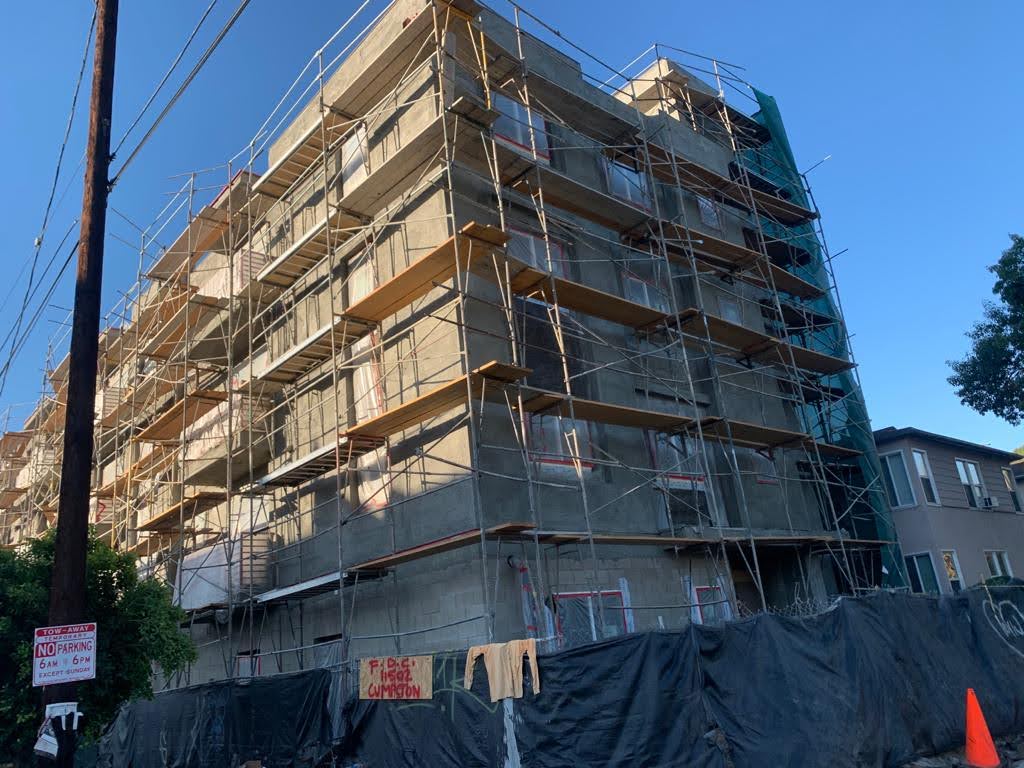
Construction investor relations in Los Angeles operates in one of the most competitive real estate markets in the country. Investors in LA construction projects expect professional reporting, accurate cost forecasting, and proactive communication not updates that only arrive when something goes wrong.
Here’s what well-managed construction investor relations looks like in practice.
Transparency Over Everything
The most common trust-breaking moment in construction investor relations is when an investor discovers a problem that the project team already knew about. In 2025, construction investor relations professionals increasingly scrutinize not just what information is provided, but how promptly it’s provided and whether risks are disclosed proactively or buried.
At JSN Construction, our position is simple: if there’s a problem, we tell our clients’ investors before they discover it themselves. That approach, delivered through a well-structured project management communication plan, is what converts first-time investors into repeat partners.
Draw Reporting and Lender Coordination
For projects funded with a construction loan, draw disbursements are the operational heartbeat of the project. Funds are released in stages as work is completed and verified. The lender orders an inspection. The inspection confirms the work. The draw is disbursed.
When this cycle runs smoothly, the project has cash when it needs it. When it breaks down because the draw request was incomplete, the work wasn’t ready for inspection, or the reporting didn’t match the lender’s requirements the project stalls.
JSN Construction prepares complete, itemized draw request packages that match lender requirements from the first draw. We coordinate lender inspection scheduling into the construction timeline so inspections happen when work is ready not days later after subcontractors have moved on.
Investor Reporting Frequency and Format
Different investors have different preferences. Equity partners in larger LA development projects often expect monthly reports plus access to a real-time project dashboard. Individual investors in smaller residential or ADU projects may be satisfied with bi-monthly updates and a simple budget summary.
The project management communication plan should be tailored to your specific investor group’s expectations established at the start of the project, not improvised as the project proceeds.
Managing Change Orders in Investor-Facing Reporting
Change orders are one of the most sensitive topics in construction investor relations. Every significant change order represents a deviation from the approved plan. Investors want to know: was this change necessary? Was it preventable? How does it affect my return?
A strong communication management plan in project management treats change orders as transparency opportunities rather than embarrassments. The project team explains the cause of each change, the process for approving or rejecting it, and the net impact on schedule and budget. This kind of reporting demonstrates management discipline.
Owner Builder Construction Loans in California: What You Need to Know
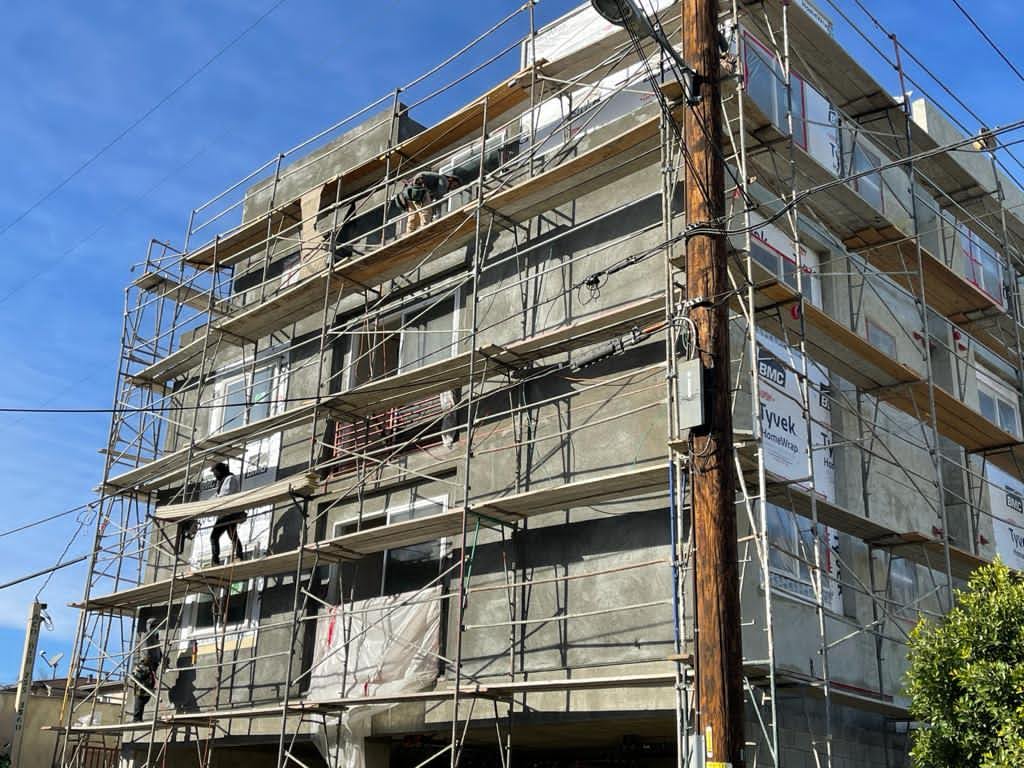
For property owners who want to build their own home or commercial project in Los Angeles while acting as their own general contractor, owner builder construction loans are a specific and more demanding category of construction financing.
Here’s what you need to understand before pursuing this path in California.
What Is an Owner Builder Construction Loan?
An owner builder construction loan is a construction loan where the borrower acts as their own general contractor rather than hiring a separate licensed GC. Funds are disbursed in stages called draws matching the progress of construction. This process ensures that money is available when needed for specific phases, such as foundation work, framing, or roofing.
Owner-builder loans are available in California, but they carry additional lender scrutiny. Lenders worry about delays, cost overruns, and incomplete projects. To address these concerns, they impose strict requirements, such as detailed budgets and regular progress reports. By meeting these expectations, you reassure lenders that your project will succeed.
Who Qualifies for Owner Builder Loans in California?
Qualifying for owner builder construction loans in California is more demanding than a standard construction loan. Lenders typically require:
- Valid CSLB contractor’s license or demonstrated construction experience. Owner-builder loan programs generally require the borrower to be a licensed builder or to work with an approved project manager. These loans have stricter requirements to ensure the project is professionally managed.
- Detailed, line-item construction budget. Your budget must cover every phase of the build and include a contingency reserve. Lenders won’t increase the loan amount after approval, so your budget must be comprehensive from the start.
- Architectural plans and permits. Lenders require approved building plans and active permits before closing the loan.
- Builder’s risk insurance. Most lenders require this coverage throughout the construction period to protect against property damage, theft, or accidents.
- Strong credit score. Owner builder loans in California typically require a credit score of 680 or higher, with many lenders preferring 720 or above.
- Equity or down payment. Expect to contribute 20 to 25 percent of total project cost as equity. If you already own the land, its equity can count toward this requirement.
Owner Builder Loan Types in California
California borrowers have several owner builder construction loan structures available:
Construction-to-permanent loan (single-close): One closing, covers the construction phase, and rolls into a permanent mortgage when construction is complete. This minimizes closing costs and simplifies the overall transaction.
Two-close construction loan: Separate construction loan and end loan with two separate closings. More flexible but involves higher total fees. Rates in 2025 typically run 0.5 to 1.5 percent higher than conventional mortgages.
Construction-only loan: A short-term loan that covers only the construction phase. Borrowers need separate permanent financing at completion. Ideal for those with a long-term financing plan or who plan to sell the property post-completion.
Hard money construction loan: Private lender financing that moves faster than traditional banks. Higher interest rates, shorter terms (typically 6 to 24 months), but more flexible qualification requirements. Often used for time-sensitive developments or unconventional builds.
What the Draw Schedule Looks Like
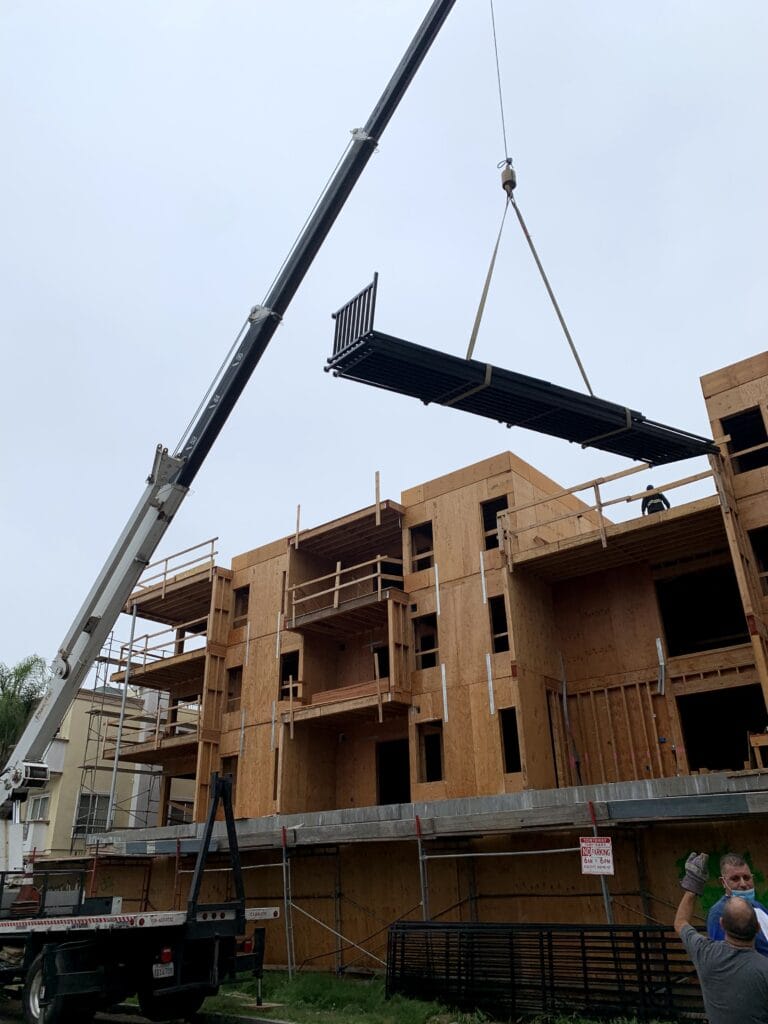
The draw schedule is the plan for releasing loan funds at specific construction stages. Common draw milestones in California include:
- Lot acquisition or land value confirmation
- Foundation complete and inspected
- Framing complete and inspected
- Rough MEP (mechanical, electrical, plumbing) complete and inspected
- Drywall complete
- Interior finishes, cabinets, and fixtures installed
- Final inspection passed, certificate of occupancy issued
Before releasing each draw, the lender orders an inspection. The inspection confirms the work matches the approved plan and the draw amount requested. Borrowers or builders request draws, the lender orders an inspection, and funds are disbursed directly to the builder or escrow agent after the inspection confirms progress.
Why Your Progress Report Matters to Construction Lenders
This is where progress reports for construction projects and owner builder construction loans connect directly. Your lender is not just a funding source they’re a monitoring partner. They need to see, at each draw request, that the project is on track, the budget is being managed responsibly, and the work completed matches what you’ve reported.
A professional building construction progress report submitted with each draw request including photos, a budget variance summary, a schedule update, and a change order log demonstrates the management discipline that lenders in Los Angeles’s competitive construction market require. Lenders closely evaluate your qualifications and project plans before approving the loan and at every draw milestone.
JSN Construction prepares complete draw packages for every project we manage. Our reports are formatted to match lender requirements and communicate the information that inspectors and underwriters need to release funds quickly.
Your Project Runs Better When Everyone Knows What's Happening. Let's Build That System.
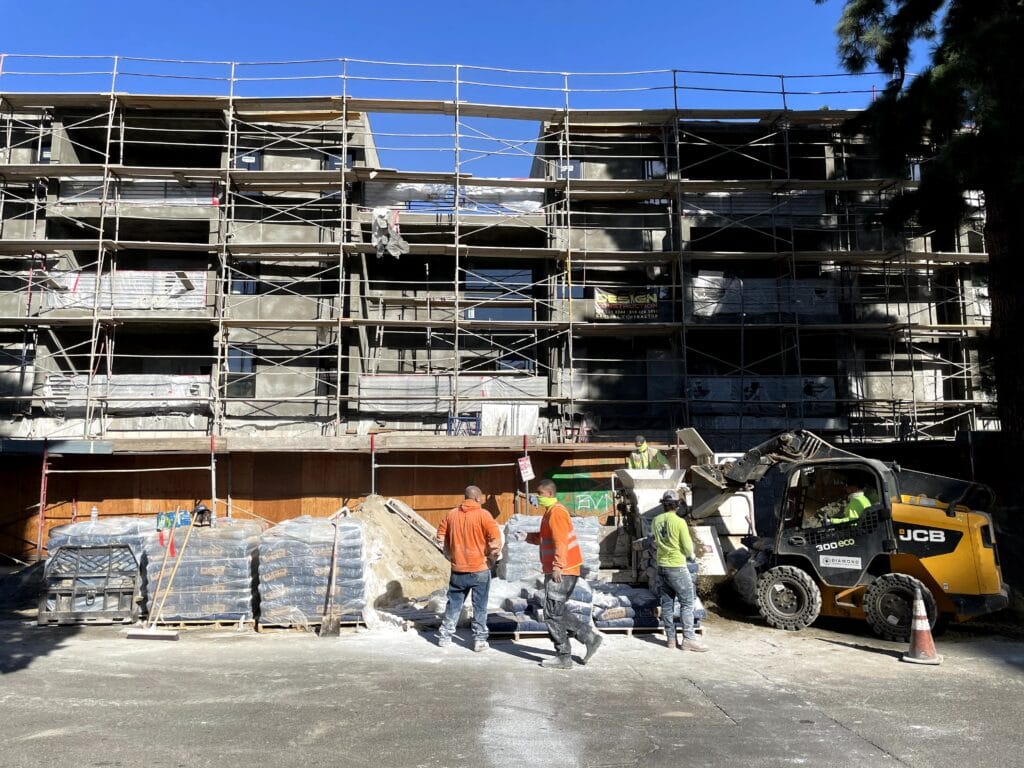
A construction project is a complex, multi-party effort that produces a real asset. Keeping every stakeholder investors, lenders, owners, and your own team informed and aligned is how you protect that asset at every stage.
JSN Construction provides complete project management communication plan development and execution, professional building construction progress reports for investors and lenders, construction investor relations management, and support for property owners pursuing owner builder construction loans in California.
Whether you’re managing a commercial build in Culver City, a multi-family development in Pasadena, a custom home in Studio City, or a ground-up project anywhere in Los Angeles County we’ll build the communication infrastructure that keeps your stakeholders confident and your funding moving.
Call JSN Construction today for your free project consultation. Tell us about your project, your investors, and your lender and we’ll show you how professional communication management makes every construction project run better.
📞 818-925-0053 🌐 JSN Construction 📍 Serving Los Angeles, CA and Surrounding Areas: Residential, Commercial, Multi-Family, Investment Properties