Services
Subcontractor coordination
What Is Subcontractor Coordination and Why Does It Matter?
Subcontractor coordination is the process of organizing, scheduling, communicating with, and managing every specialty trade contractor on a construction project. It’s the work that happens between a general contractor and all the specialized teams they rely on: electricians, plumbers, HVAC technicians, drywall crews, tile setters, painters, concrete subcontractors, glass and glazing teams, and more.
When it works well, you don’t notice it. Crews arrive when they’re supposed to. Materials are on-site before work begins. One trade finishes before the next needs to start. Inspections happen at the right time. The job moves.
When it breaks down, the consequences are real:
- Trades arrive before preceding work is complete and can’t start
- Materials don’t arrive because nobody ordered them ahead of time
- LADBS inspections get missed because the work isn’t ready
- Two trades try to work in the same space at the same time
- Change orders pile up because scope overlaps weren’t caught early
- The project runs weeks or months late
- The client is frustrated and the contractor absorbs the cost
In Los Angeles specifically, these problems are magnified. Labor rates are among the highest in California. LADBS inspection scheduling requires advance planning. Traffic affects crew arrival times. Material lead times from suppliers serving a large metro market are longer than in smaller cities. Every delay costs more here than it does elsewhere.
Why Los Angeles Contractors and Property Owners Choose JSN Construction
When property owners, developers, and business owners in Los Angeles need subcontractor management services they can rely on, they choose JSN Construction for specific reasons.
We’re a licensed Class B general contractor. Our California Contractors State License Board license is current and verifiable at cslb.ca.gov. We carry full general liability and workers’ compensation insurance on every project.
We know LADBS. Understanding how Los Angeles’s building department works how to submit permits, how to schedule inspections, what inspectors are looking for, and how to respond to plan check corrections is knowledge that comes from direct experience. We’ve managed the permitting and inspection process on projects across LA, from Pasadena to Culver City to the San Fernando Valley.
We have an established subcontractor network. We work with proven, licensed tradespeople across every specialty. These aren’t cold-call relationships they’re working relationships built on track records. When a plumbing subcontractor knows they’ll get fair, prompt payment and clear scope, they prioritize our jobs. That matters when you need a trade to show up on a specific day.
We communicate proactively. Clients don’t call us to find out what’s happening on their project. We tell them. Regular written updates, milestone reports, and direct access to the project manager are standard, not premium features.
We serve the full Los Angeles market. Our subcontractor coordination and construction team coordination solutions are active across residential, commercial, mixed-use, and multi-family projects in Pasadena, Burbank, Glendale, Studio City, Culver City, Santa Monica, Sherman Oaks, West Hollywood, El Segundo, and throughout LA County.
The Core Elements of Effective Subcontractor Management in Construction
Effective subcontractor management in construction is built on four pillars: proper selection, clear scope, tight scheduling, and consistent communication. Here’s how JSN Construction approaches each one.
Subcontractor Qualification and Selection
The best subcontractor coordination starts before the project does during the selection phase. At JSN Construction, we don’t hire subcontractors from a cold list. We maintain relationships with licensed, insured, and proven tradespeople across Los Angeles who have demonstrated their ability to perform on schedule and meet quality standards.
Our subcontractor qualification process covers:
- Valid California CSLB license verification for each trade
- Current general liability and workers’ compensation insurance certificates
- Previous project references and direct performance verification
- Financial stability review for larger scopes (to ensure they can carry payroll between payment cycles)
- Safety record and compliance history
- Familiarity with LADBS requirements for specific project types
A subcontractor who’s great at their trade but unreliable on schedule does real damage to a project. We’ve learned to value both qualities equally in the Los Angeles market.
Clear, Written Scope of Work
Every subcontractor on every JSN Construction project receives a clear, written scope of work before they’re engaged. This isn’t a general description. It defines:
- Exactly what the subcontractor is responsible for
- Exactly where their work starts and stops (and where another trade picks up)
- The materials they’re supplying vs. materials provided by others
- The quality standards their work must meet
- Inspection milestones they’re responsible for being ready for
- How and when they’ll be paid
Ambiguous scope is the root cause of most disputes and change orders in construction. When a plumbing subcontractor and a tile setter each believe the other is responsible for waterproofing behind the shower walls, someone ends up doing it wrong or not at all. Written scope eliminates those gaps before they become field problems.
Subcontractors Scheduling Services: Building the Master Schedule
Subcontractors scheduling services is where coordination becomes an operational discipline. On every JSN Construction project in Los Angeles, we build a master schedule that maps every trade’s work against every other trade’s work identifying dependencies, sequencing the work correctly, and flagging potential conflicts before they hit the field.




Key scheduling tools we use:
Critical path method (CPM): We identify the critical path the sequence of tasks that determines the earliest possible project completion date. Any delay on a critical path task delays the whole project. Non-critical tasks have float time, meaning they can slip without affecting the completion date. Knowing the difference helps us prioritize where to focus resources.
Lookahead schedule: A three to four week lookahead schedule updated weekly gives every subcontractor a short-term view of exactly what they need to have done, what will be happening around them, and what they need to prepare for. This is the most practical day-to-day coordination tool on any active job site.
Pull planning: For complex phases of a project, we use pull planning a collaborative process where subcontractors themselves define what they need to complete their work by a specific milestone date and work backward to identify the handoffs required. This builds buy-in and surfaces logistical problems early.
Trade sequencing: In construction team coordination solutions, trade sequencing is one of the most critical decisions. The wrong sequence means crews are waiting on each other. The right sequence means each trade finishes and clears the way for the next. Getting it right in Los Angeles requires knowledge of how local LADBS inspections fit into the sequence because inspection timing affects when the next trade can legally begin.
Communication Systems That Actually Work
Most coordination failures are communication failures. At JSN Construction, we build communication structure into every project from day one not as an afterthought when something goes wrong.
Our communication system for subcontractor management in construction includes:
- Daily site huddles: A 10 to 15 minute morning meeting with all on-site crews to confirm that day’s work, flag any access conflicts, and coordinate around deliveries and inspections.
- Weekly subcontractor coordination calls: A scheduled call with all active subcontractors to review the lookahead schedule, identify upcoming needs, and address any scope or material questions before they become field problems.
- RFI (request for information) tracking: Every RFI from a subcontractor is logged, assigned, and answered within a defined timeframe. Unanswered RFIs stall work — we treat them as urgent.
- Submittal log management: Materials, equipment, and assemblies that require approval before installation are tracked through a submittal log. Late submittals are one of the top causes of material-related delays. We track every submittal from the moment it’s required.
- Written daily reports: The site superintendent documents daily progress, crew counts, weather conditions, and any issues encountered. This creates a contemporaneous record that protects everyone and keeps the project owner informed.
Our Blog Posts
New Construction Homes in Los Angeles: Build the Home You Actually Want
April 29, 2026
No Comments
Read More »


Shingles Roof in Los Angeles: Your Complete Guide to Installation, Types, and Repair
April 22, 2026
No Comments
Read More »
Roofing Installation Services in Los Angeles: Everything You Need to Know
April 22, 2026
No Comments
Read More »
Subcontractor Management Services: What JSN Construction Handles for You
When you hire JSN Construction as your general contractor, our subcontractor management services take all of this coordination off your plate. Here’s what that actually covers.
Prequalification and Contracting
We handle subcontractor prequalification, competitive bidding among approved trades, contract negotiation, and execution. Every subcontractor is under a written contract that defines scope, schedule, quality standards, insurance requirements, and payment terms. You’re not managing a dozen separate contractor relationships we are.
Safety Compliance Management
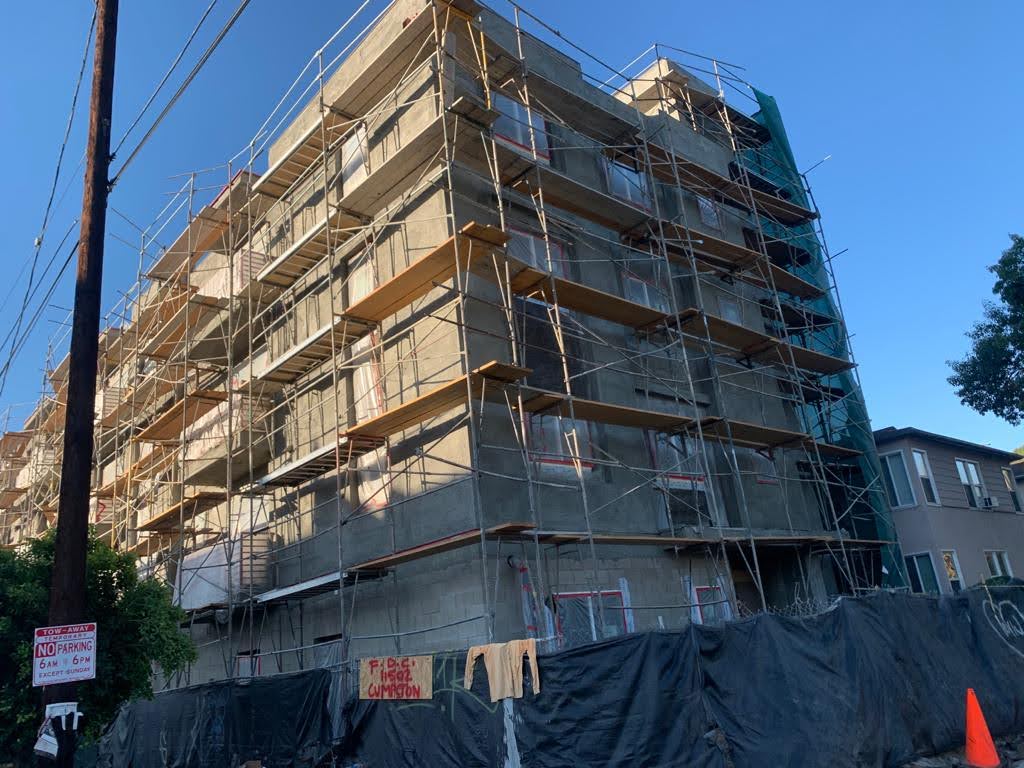
Los Angeles construction sites have specific safety requirements under California’s Division of Occupational Safety and Health (Cal/OSHA). Every subcontractor operating on our job sites must comply with Cal/OSHA requirements for their trade, including fall protection, scaffold safety, confined space protocols, and electrical safety. Our site superintendents conduct regular safety walk-throughs and enforce compliance across all trades.
Change Order Management
Change order management is one of the most important and most often mishandled aspects of subcontractor management in construction. When scope changes, every affected subcontractor needs to be notified promptly, the cost and schedule impact evaluated, and the change properly documented before work proceeds.
At JSN Construction, we process every change through a formal written change order before authorizing additional work. This protects the project budget, maintains schedule accountability, and prevents disputes at project closeout.
Quality Control and Inspections
We conduct quality inspections at defined milestones for every trade. Before a framing inspection is called, we walk the frame. Before drywall covers rough electrical, we inspect every circuit. Before tile is set, we verify waterproofing. Catching quality issues before they’re covered up is far less expensive than uncovering them later.
For LADBS inspections, we coordinate scheduling, ensure all required work is complete and ready, and have the right documentation available for the inspector. Failed inspections in Los Angeles cost time and money. In our experience, thorough preparation before calling for inspection eliminates most failures.
Payment Management and Lien Waivers
Subcontractor payments in California are governed by prompt payment laws. We manage the payment cycle for every subcontractor, including collecting lien waivers at each payment milestone to protect the property owner from mechanics’ lien claims. This is a detail that property owners often overlook until a lien appears on their title by which point it’s a legal problem rather than an administrative one.
For public projects or projects with prevailing wage requirements, we also manage certified payroll documentation for all affected subcontractors.
Why Subcontractor Coordination Is Especially Critical in Los Angeles
Los Angeles isn’t a typical construction market. Several factors make construction team coordination solutions here more demanding than in most other cities.
LADBS Inspection Sequencing
LADBS requires specific inspections at specific stages of every permitted project. The inspection sequence is not flexible you can’t drywall before framing is inspected. You can’t install flooring before rough plumbing passes. You can’t issue a certificate of occupancy without passing all final inspections across every trade.
In Los Angeles, getting a LADBS inspection appointment requires advance scheduling. A subcontractor who isn’t ready on the scheduled inspection day causes a delay that can’t be immediately recovered because the next available appointment may be days or weeks out. This makes subcontractors scheduling services in LA genuinely different from scheduling work in cities with simpler permitting environments.
Traffic and Crew Arrival Times
Anyone who’s tried to get a crew from the San Fernando Valley to a job site in Culver City by 7:00 AM knows the challenge. Traffic in Los Angeles affects crew start times, material deliveries, and equipment arrivals in ways that have to be factored into every schedule. Our subcontractors scheduling services account for realistic travel times and build in appropriate buffers especially for morning starts on jobs across the metro area.
Material Lead Times in a Large Metro Market
Los Angeles has strong supplier infrastructure, but lead times for specialty materials, custom items, and high-demand products can be longer than in smaller markets. Certain tile, custom cabinetry, electrical panels, and specialty HVAC equipment can run 8 to 20 weeks or more. Effective subcontractor coordination means identifying long-lead materials at the start of the project and ordering them immediately not when their installation date is approaching.
Trade Stacking on Dense Urban Sites
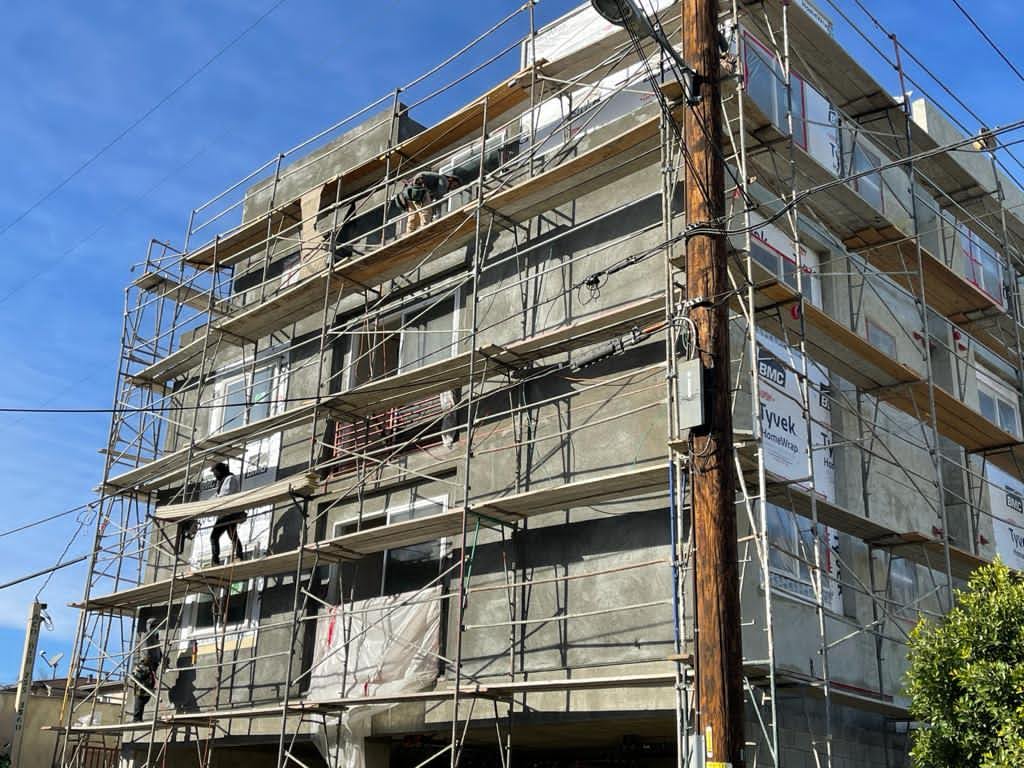
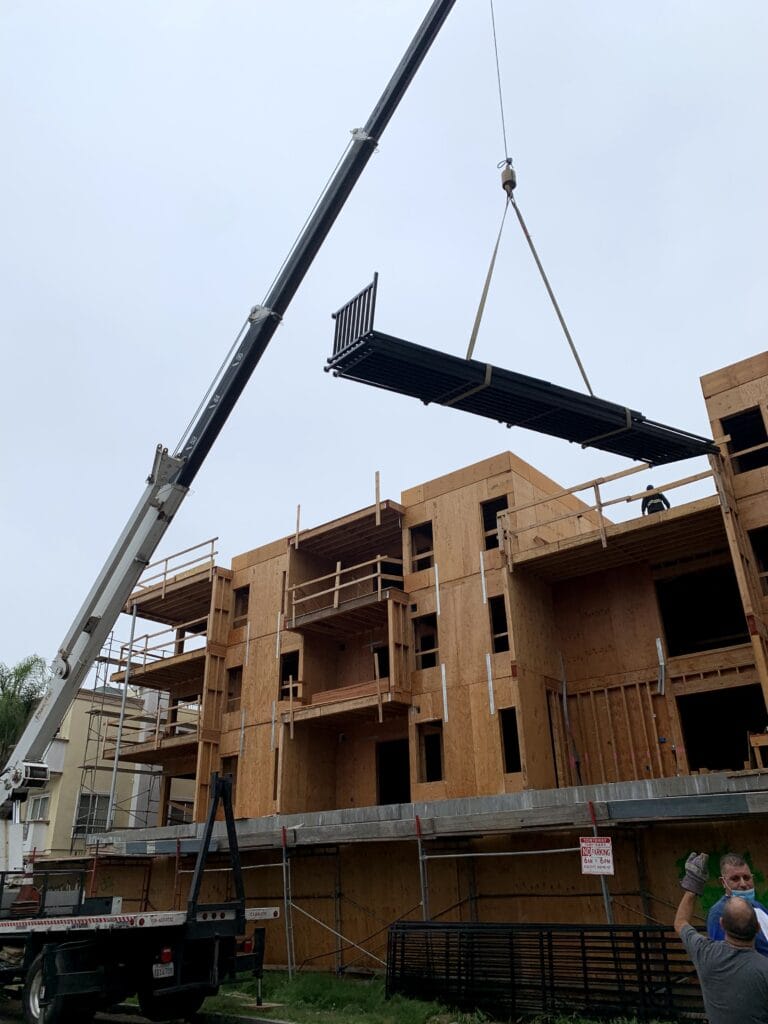
Many commercial and multi-family construction sites in Los Angeles have limited staging area, tight site access, and multiple floors where trades need to work simultaneously. Trade stacking too many trades in the same space at the same time is one of the most common coordination failures on dense urban sites. Managing this requires detailed spatial planning, not just time-based scheduling. We use floor-by-floor work plans on multi-story projects to ensure each trade has the space and access they need without conflict.
Seismic and Code-Specific Inspection Requirements
California’s seismic design requirements add inspection checkpoints that other states don’t have. Anchor bolt inspections, shear wall nailing inspections, and special inspection requirements for structural elements are all sequenced into the project timeline and require specific documentation from licensed special inspectors. Coordinating these with the general LADBS inspection sequence requires familiarity with California Building Code requirements that not all general contractors operating in LA have.
The JSN Construction Approach to Construction Team Coordination Solutions
Every project is different. But our approach to construction team coordination solutions follows a consistent structure that we’ve refined through years of project delivery in Los Angeles.
Step 1: Pre-Construction Trade Review Before the project starts, we review every trade scope, identify potential conflicts and overlaps, build the master schedule, and identify all long-lead material requirements. Subcontractors are prequalified and contracted during this phase.
Step 2: Pre-Construction Meeting With All Trades Before mobilization, we hold a meeting with every subcontractor on the project. We review the project scope, the schedule, site rules, communication expectations, LADBS inspection requirements, and safety protocols. Everyone understands the plan before work begins.
Step 3: Active Schedule Management The schedule is a living document. We update it weekly based on actual progress, flag any emerging risks to the completion date, and coordinate directly with any subcontractor who is at risk of falling behind.
Step 4: Daily Site Presence Our site superintendent is on-site every working day. They’re watching the work, coordinating between trades in real time, fielding subcontractor questions, and documenting daily progress. This isn’t a role we fill remotely.
Step 5: Milestone Inspections and Quality Gates Before each phase is covered up or each inspection is called, we verify readiness. This prevents the costly cycle of failed inspections and rework.
Step 6: Closeout Coordination Project closeout requires a coordinated effort across every trade to complete the punch list, obtain all required closeout documentation, coordinate final LADBS inspections, and deliver warranty information to the owner. We manage this phase with the same discipline as active construction because a project isn’t done until the client has their keys and their certificate of occupancy.
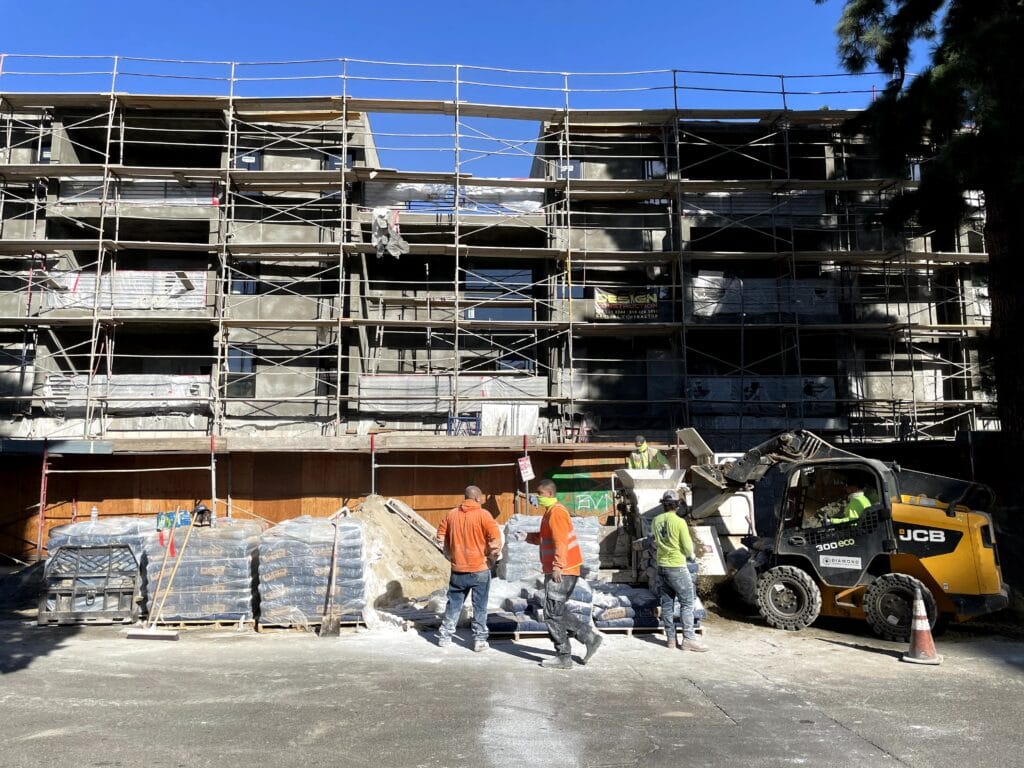
Let's Keep Your Project on Schedule. Call JSN Construction Today.
A construction project with poor subcontractor coordination costs more, takes longer, and creates stress that nobody signed up for. A project with strong coordination runs the way it should: trades arrive ready, inspections pass the first time, and the project closes out with a certificate of occupancy and a satisfied client.
JSN Construction provides complete subcontractor management services and construction team coordination solutions across Los Angeles. From the master schedule to the final punch list, we manage every trade so your project moves. Whether it’s a commercial build-out in West Hollywood, a residential renovation in Pasadena, a multi-family project in Burbank, or new construction in Studio City, our subcontractor coordination capabilities are built for the complexity of building in this city.
Call JSN Construction today for your free project consultation. Tell us about your project, your timeline, and your team and we’ll show you how we manage construction in Los Angeles the way it should be managed.
📞 818-925-0053 🌐 JSN Construction 📍 Serving Los Angeles, CA and Surrounding Areas: Residential, Commercial, Multi-Family, New Construction