Finished Basement Ideas for Los Angeles Homes
You’ve got square footage sitting right beneath your feet. Maybe it’s a dark storage room. Maybe it’s a concrete shell that’s been “almost done” for years. Either way, that space could be your next great room and in Los Angeles, finishing a basement is one of the smartest investments you can make.
Here’s something most people don’t realize: in LA, basement square footage is often excluded from the city’s zoning calculations for maximum home size. That means you can add a full living level to your property without hitting your lot’s square footage cap. At JSN Construction, we’ve helped homeowners across Los Angeles turn forgotten basements into home theaters, basement bars, guest suites, and legal rental units. In this guide, we’ll walk you through the best finished basement ideas, what they cost, what the city requires, and how to do it right.
Why Finished Basements Are a Smart Move in Los Angeles
Basements aren’t as common in Los Angeles as they are in other parts of the country. Post-war tract homes were built without them. But over the past decade, basements have made a serious comeback here especially in hillside neighborhoods, older custom homes, and new construction throughout the city.
Why? A few reasons.
First, LA real estate is expensive and lots are tight. A finished basement adds livable square footage without changing your home’s footprint. Second, as we mentioned, Los Angeles zoning often excludes basement area from square footage limits so you get space without the zoning penalty. Third, a finished basement gives you flexibility that no other room in the house can: a bedroom, an office, a bar, a gym, or all of the above.
We’ve built finished basements in homes from Pasadena to Sherman Oaks to Silver Lake. Every project has its own character. But they all share the same result: more home, more value, and more enjoyment.
The Best Finished Basement Ideas for LA Homeowners
The right finished basement idea for your home depends on how you live. Here are the most popular options we build in Los Angeles.
Home Theater or Media Room
A dedicated home theater is the number-one request we get for finished basement ideas. Down below grade, you’ve got a naturally dark, quiet space that’s ideal for screen and sound. We’ve built everything from simple media rooms with a large screen and a sectional to full cinematic setups with tiered seating, acoustic panels, surround sound, and projectors. Basement home theaters in Burbank and Studio City often pull double duty as sports watch rooms there’s nothing better than a dedicated room for game day.
Key elements: acoustic insulation in the walls, recessed lighting on dimmers, proper ventilation, a small wet bar nearby, and good cable management from the start.
Home Gym
A basement gym makes working out more convenient and a lot easier to stick with. No commute, no waiting for equipment, no parking. We design home gyms with rubber flooring, mirrored walls, recessed lighting, and proper ventilation. In Los Angeles, where people take fitness seriously, this is one of the most popular finished basement ideas we build.
One tip from our experience: plan your electrical before framing. A basement gym needs dedicated circuits for heavy equipment like treadmills and power racks. Get that roughed in early.
Guest Suite or Rental Unit
A basement guest suite with a full bathroom gives visiting family their own private space. With the right egress window installation, that suite can also function as a legal bedroom which matters both for code compliance and for rental purposes.
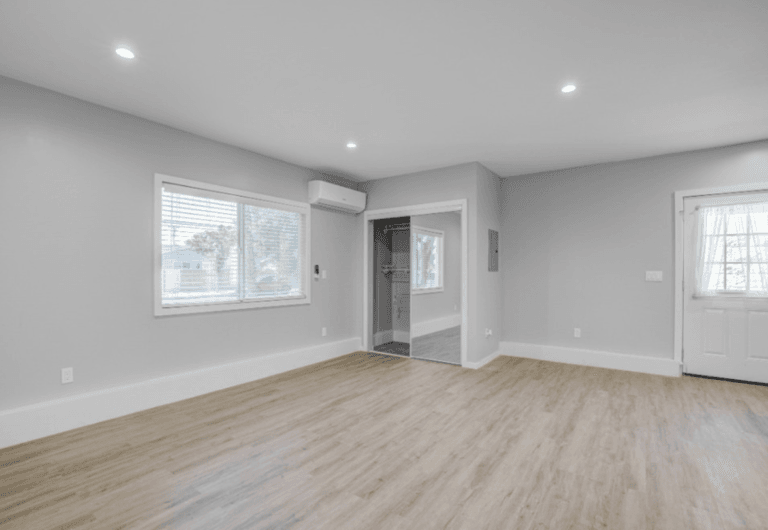
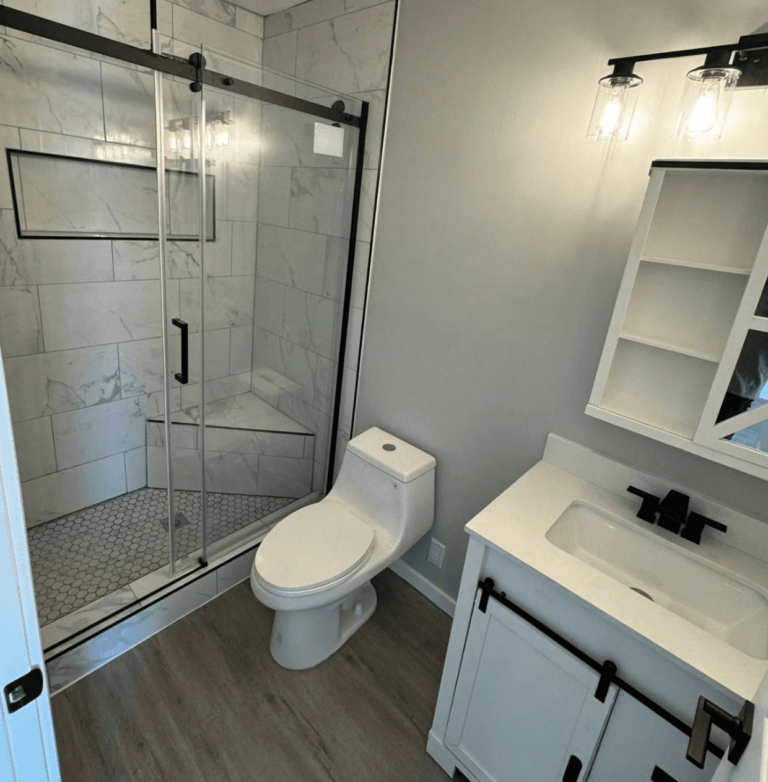
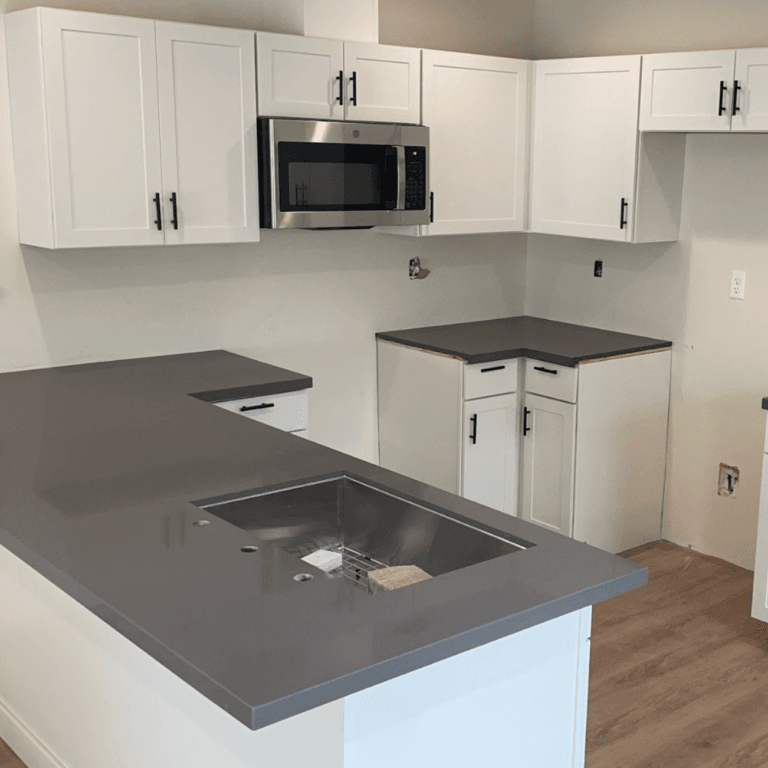
Many of our clients in Pasadena and Silver Lake have finished their basement as a full studio apartment with a kitchenette, bathroom, and separate entrance. This kind of setup doesn’t qualify as a formal ADU in most cases, but it does create useful rental income and adds significant value to the property. We always discuss the legal requirements with homeowners upfront so there are no surprises.
Basement Bar
Basement bar ideas are consistently one of the most popular requests we get. A dedicated bar turns your basement into an entertainment destination. Done well, it becomes the room everyone wants to spend time in.
We’ll cover basement bar ideas in more detail in the next section but the short version is: you need to plan for plumbing early, think through your refrigeration needs, and choose materials that handle moisture well in an underground space.
Home Office
With more people working remotely, a basement home office is one of the most practical finished basement ideas available. It’s quiet, private, and completely separated from the main living areas of your house. We’ve built dedicated office spaces in homes across Los Angeles with built-in cabinetry, proper lighting, and all the ethernet and power drops you could need.
One consideration unique to LA: seismic bracing of tall bookshelves and cabinetry. We always anchor tall built-ins properly so they won’t shift in an earthquake.
Playroom or Kids’ Zone
If you have kids, a basement playroom gives them a dedicated space and gives you your living room back. We’ve built playrooms with foam flooring, built-in toy storage, art tables, and even small climbing walls. Easy to clean, easy to contain, and the kids will love it.
Basement Bar Ideas: How to Do It Right
A basement bar is more than a countertop and some stools. A well-built basement bar involves thoughtful planning around plumbing, ventilation, and materials.
Here’s how we approach basement bar ideas at JSN Construction:
Plan for plumbing first. A wet bar needs a sink, a drain, and a water supply line. If you want an ice maker or a dishwasher drawer, those need their own lines. We rough in all plumbing before framing walls so nothing has to be opened up later.
Choose moisture-resistant materials. Basements have higher humidity than above-grade spaces. We use materials that handle this: quartz or porcelain countertops (not butcher block), tile or luxury vinyl plank flooring, and sealed cabinets with proper ventilation.
Think about refrigeration early. An undercounter beverage fridge, a wine cooler, a keg fridge each one needs its own dedicated circuit. Plan your electrical to support the load before drywall goes up.
Consider the layout. L-shaped and straight-run bars both work well in basements. If you have enough space, a curved bar with seating on three sides creates a real pub feel. We’ve built this style in several Glendale and Burbank homes and the results are genuinely impressive.
Light it properly. Under-cabinet LED strips, pendant lights above the bar top, and recessed cans overhead create the layered lighting that makes a bar feel like a real destination.
Home Designs With Walkout Basements in Los Angeles
Home designs with walkout basements are especially well-suited to Los Angeles. The city’s hilly terrain in neighborhoods like Eagle Rock, Silverlake, Glassell Park, and the hillside areas of the San Fernando Valley creates natural opportunities for basement-level access to the outdoors.
A walkout basement has at least one wall at or above grade, with a door or large window opening directly to the exterior. This changes the feel entirely. You get natural light, direct outdoor access, and the ability to connect a basement living space to a patio or garden.
Benefits of a walkout basement design:
- Natural light throughout the space
- Direct exterior access (no need to go upstairs to get outside)
- Easier to add a legal bedroom since you can use a door instead of just a window for egress
- Ideal connection to a lower-level patio, deck, or outdoor entertaining area
- Makes rental units or guest suites feel more like an independent apartment
If your home’s lot has a slope to it, a walkout design is worth exploring. We evaluate the site conditions and soil at every basement consultation to understand what’s structurally possible. In LA’s hillside zones, there are additional geotechnical and seismic considerations but with the right engineering, walkout basements are absolutely achievable.
Basement Ceiling Options: What Works Best
Basement ceiling options make a bigger difference than most homeowners expect. The ceiling affects the perceived height, the acoustics, the ease of access to mechanical systems, and the overall feel of the space.
Here are the most common basement ceiling options and when each one makes sense:
Drywall Ceiling
A drywall ceiling gives the cleanest, most finished look. It raises the perceived height of the room and looks exactly like the ceilings in the rest of your home. The downside: access to plumbing, electrical, and HVAC above it requires cutting through drywall. This is fine if everything above is properly mapped and unlikely to need service.
We use drywall ceilings in living rooms, home theaters, bedrooms, and any space where finish quality is the top priority.
Drop Ceiling (Suspended Ceiling)
A drop ceiling (sometimes called a suspended ceiling) uses a metal grid with removable tiles. It’s the easiest option for future access to mechanicals above. The downside is a slight loss of ceiling height typically 3 to 4 inches for the grid system.
Older-style drop ceilings with flat white tiles look dated. But today’s drop ceiling tiles have improved significantly. There are options that look close to drywall, plus specialty tiles with better acoustic performance.
We recommend drop ceilings in utility areas, workshops, or basements where older plumbing runs are overhead and may eventually need attention.
Exposed Ceiling
An exposed ceiling painted black, white, or a deep color with all pipes and joists visible is a popular industrial-style choice. It requires no additional framing or tile work, which saves money. It also preserves the maximum ceiling height, which matters a lot in basements.
We’ve done several finished basements in Los Angeles where an exposed painted ceiling gave the space a loft-like feel that worked beautifully with the overall design. It’s a smart budget move that can actually look more intentional than a standard ceiling if done well.
Egress Window Installation: What Los Angeles Homeowners Need to Know
If you want to use any part of your finished basement as a sleeping room, California building code requires an egress window in that space. This isn’t optional it’s a life-safety requirement that comes up at every LADBS inspection.
An egress window provides emergency escape in the event of a fire or other emergency when the stairway is blocked. Here are the minimum requirements under California’s residential code:
- Minimum net clear opening: 5.7 square feet
- Minimum clear width: 20 inches
- Minimum clear height: 24 inches
- Maximum sill height from the floor: 44 inches
- The window must open fully from the inside without tools, keys, or special knowledge
When the window sits below grade, which is typical for most Los Angeles basements, a window well is required. If the well is deeper than 44 inches, a permanent ladder or steps must be installed.
Egress window installation costs typically range from $2,500 to $5,000 per window, including cutting through the foundation wall, installing the window unit, and constructing the window well. In Los Angeles, this work requires a permit and inspection.
We handle all egress window installation permitting and engineering at JSN Construction. In older LA homes, this work also gives us the opportunity to inspect the foundation wall condition and address anything that needs attention before we close it back up.
Basement Waterproofing Solutions and Moisture Control
Basements in Los Angeles don’t face the same flooding risk as basements in the Midwest or Northeast but basement moisture control is still a real issue here. LA’s rainy season (November through March) can push water through older foundation walls, especially in hillside homes and properties with older concrete foundations.
Basement moisture control problems we see regularly in LA include:
- Efflorescence (white mineral deposits on concrete walls a sign of water migration)
- Musty odors caused by humidity trapped below grade
- Surface condensation on walls during the cooler months
- Active seepage through cracks or joints after heavy rain
Here are the most effective basement waterproofing solutions we recommend:
Interior Drainage System
An interior perimeter drain installed at the base of the foundation walls captures water before it pools on the floor. It channels water to a sump pit where a sump pump removes it. This is the most reliable solution for active water intrusion. Interior systems typically cost $2,300 to $7,000 depending on basement size.
Vapor Barrier
A heavy-duty vapor barrier installed on the walls and floor blocks moisture migration through the concrete. For basements without active water intrusion just humidity a good vapor barrier combined with a dehumidifier is often sufficient. This is a lower-cost approach and works well in many LA homes.
Exterior Waterproofing
Exterior waterproofing involves excavating around the foundation, applying a waterproof membrane to the outside of the wall, and installing drainage board and French drains. It’s more disruptive and expensive ($10,000 to $30,000) but stops water at the source. We recommend this for hillside homes with significant seasonal water pressure against the foundation.
Crack Injection
Individual cracks in poured concrete foundations can be injected with polyurethane or epoxy foam to stop active seepage. This is a targeted fix for specific problem areas rather than a whole-system approach.
One thing we always say: address any basement moisture control issues before finishing. If you drywall over a damp foundation wall, you’ll have mold and damage within a year or two. Moisture work first always.
How Much Does It Cost to Finish a Basement in Los Angeles?
Here’s the question everyone asks. The cost to finish a basement in Los Angeles runs higher than the national average because of LA’s labor rates, permit requirements, and California building codes. Here’s a realistic picture for 2025.
By project scope:
- Budget finish (basic framing, drywall, flooring, lighting, no bathroom): $20,000 to $35,000
- Mid-range finish (includes bathroom, proper HVAC, quality flooring, defined rooms): $35,000 to $65,000
- High-end finish (home theater, basement bar, full bathroom, custom built-ins, premium finishes): $65,000 to $120,000 and up
By square footage (mid-range finishes):
- 500 sq ft basement: $20,000 to $35,000
- 800 to 1,000 sq ft basement: $35,000 to $60,000
- 1,200 sq ft basement and above: $50,000 to $100,000
What drives the cost up:
- Adding a bathroom (plumbing rough-in and fixtures: $8,000 to $20,000)
- Egress window installation for a bedroom (per window: $2,500 to $5,000)
- Basement bar with plumbing and custom cabinetry: $10,000 to $30,000 depending on complexity
- Custom home theater with acoustic treatment: $15,000 to $40,000
- Basement waterproofing solutions if water issues are present: $2,500 to $30,000 depending on method
- Layout changes that require structural work
Permits:
Almost every basement finishing project in LA requires permits. Expect permit fees of $1,500 to $3,000 for a standard basement finish in the City of Los Angeles. Projects involving structural changes, plumbing additions, or egress window installation push permit costs higher. JSN Construction handles all permitting you don’t have to navigate LADBS or your local building department.
Return on investment:
A finished basement delivers a 64 to 70 percent return on investment according to national data. In Los Angeles, where additional square footage is especially valuable, the return can be higher. A well-finished basement can add $50,000 to $150,000 or more to your home’s market value depending on the scope, quality, and neighborhood.
Why Choose JSN Construction for Basement Finishing in Los Angeles?
There are plenty of contractors who can hang drywall. What separates a good basement project from a great one is planning, permits, and a team that understands what it takes to build below grade in Los Angeles.
At JSN Construction, we’re a licensed, insured general contractor serving Los Angeles and surrounding areas including Pasadena, Burbank, Sherman Oaks, Studio City, and Glendale. Here’s what you get when you work with us:
- We handle all permits and LADBS coordination from start to finish
- We evaluate moisture conditions before a single nail goes in no shortcuts on waterproofing
- We understand California’s seismic requirements and build to code at every step
- We’ve completed basement projects across LA: media rooms, basement bars, guest suites, home gyms, and more
- We give you honest pricing with no hidden surprises California law limits contractor deposits to 10% of project value or $1,000, and we follow that rule
- We communicate clearly throughout the project so you always know what’s happening
If you’ve been searching for basement finishing near me in the Los Angeles area, we’d like to show you what we’ve built and what we can build for you.
Frequently Asked Questions
Do homes in Los Angeles have basements?
Not all LA homes have basements the post-war building boom produced many homes without them. But basements are more common than people think, especially in older custom homes, hillside properties, and new construction. Over the past decade, adding a basement has become increasingly popular in LA because basement square footage is often excluded from zoning square footage limits.
How much does it cost to finish a basement in Los Angeles?
The cost to finish a basement in LA typically runs $20,000 to $65,000 for a standard project, with high-end finishes including a home theater, basement bar, or full bathroom pushing costs to $100,000 or more. Per square foot, expect to pay $40 to $80 for a mid-range finish in the Los Angeles area.
H3: Do I need an egress window in my finished basement?
Yes if any part of your finished basement is used as a sleeping room, California code requires at least one egress window in that space. The window must meet minimum size requirements (5.7 sq ft net clear opening) and be operable from the inside without tools. If the window sits below grade, a window well is also required. JSN Construction handles all egress window installation permitting and inspections.
Do I need a permit to finish a basement in Los Angeles?
Yes. Almost every basement finishing project involving framing, electrical, plumbing, or HVAC requires permits from LADBS or your local city building department. Unpermitted work creates serious problems when you try to sell your home and can result in required demolition. We handle all permitting so you’re protected from start to finish.
What is the best flooring for a finished basement?
Luxury vinyl plank (LVP) is the most popular choice for finished basements in Los Angeles. It’s water-resistant, comfortable underfoot, easy to install, and available in dozens of realistic wood and stone looks. Porcelain tile is also excellent for areas near bathrooms or wet bars. Avoid hardwood flooring directly on concrete moisture migration will eventually damage it.
How do I prevent moisture problems in a finished basement?
Start with a thorough moisture assessment before finishing. For damp walls, a vapor barrier combined with a dehumidifier handles most cases. For active water intrusion, an interior drainage system with a sump pump is the right solution. Never cover a damp foundation wall with drywall address basement moisture control issues completely before any finish work begins.
Can I add a rental unit in my finished basement in Los Angeles?
A finished basement with a kitchenette and bathroom can function as an informal rental unit, but it won’t qualify as a legal ADU (accessory dwelling unit) in most cases unless it meets specific ADU requirements under California law. We can walk you through what’s allowable for your property and what permits are required for any configuration you’re considering.
Let’s Turn Your Basement Into Your Favorite Room
Right now, there’s a space beneath your home that could be doing so much more. A home theater, a basement bar, a guest suite, a gym whatever fits your life, JSN Construction can build it to code, on time, and on budget.
We’re a licensed, experienced construction team serving Los Angeles and the surrounding areas. We’ve built finished basement ideas across this city, from Pasadena bungalows with hillside walkout designs to traditional homes in Burbank with full home theater setups. We know LA’s building codes, we handle the permits, and we build with real craftsmanship.
If you’ve been thinking about finishing your basement stop thinking and start planning. The space is already there. All it needs is the right team.
Call JSN Construction today for a free in-home consultation. We’ll assess your basement, walk you through your options, and give you honest pricing with no pressure.
📞 818-925-0053 🌐 JSN Construction 📍 Serving Los Angeles, CA and Surrounding Areas